
Elon Musk, Mark Zuckerberg, and Sam Altman Declare the End of Smartphones
There is evidence that the food industry designs ultra-processed foods to be highly rewarding, to maximize craveability and to make us want more and more and more
 AdminUpdated June 5, 20242 Mins read
Story by Arezki Amiri
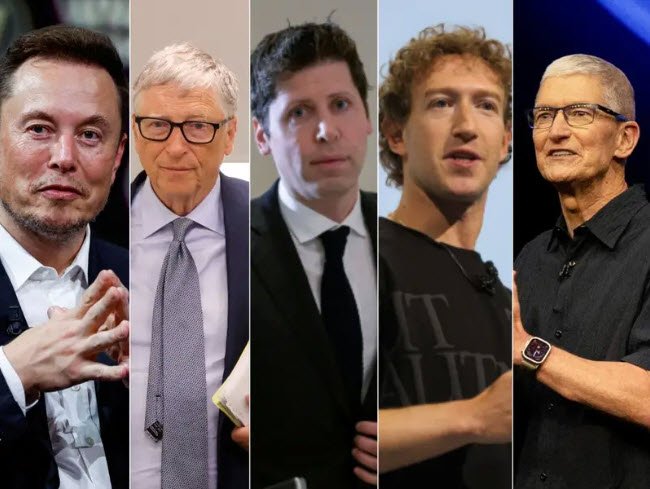
Smartphones, once the crown jewel of tech innovation, may finally be approaching their twilight. According to recent data from IDC and Statista, global smartphone shipments have slowed significantly over the last five years, with a plateau in consumer demand and fewer compelling reasons to upgrade. At the same time, some of the most influential names in technology — Elon Musk, Mark Zuckerberg, Sam Altman and Bill Gates — are no longer talking about the next phone. They’re talking about what comes after.
These figures are investing heavily in technologies that sidestep traditional smartphones altogether. Brain implants, augmented reality glasses, and skin-worn digital interfaces are now in the spotlight. And while Apple CEO Tim Cook remains committed to refining the smartphone with incremental updates, his counterparts are preparing for a post-screen world.
The Rise of Ambient and Embedded Computing
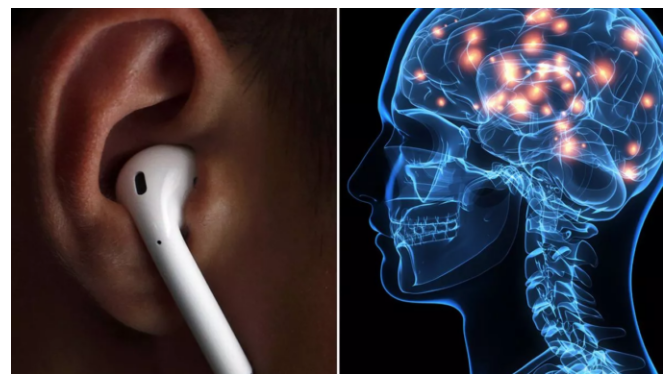
Elon Musk’s Neuralink recently confirmed that two human subjects have received its brain-computer interface implants, marking a major milestone in direct thought-to-machine communication. The aim is radical: to eliminate physical interaction with devices entirely. No more tapping, swiping or even speaking — actions could be triggered by neural signals alone.
Meanwhile, Bill Gates has thrown his support behind Chaotic Moon, a Texas-based startup developing digital tattoos equipped with nanosensors. These skin-mounted devices collect and transmit data, serving applications from health monitoring to secure identification. They represent a vision where the body itself becomes the interface.
Still, Apple isn’t standing still. Its upcoming iOS 18 and continued development of the Vision Pro headset suggest it is hedging its bets. But whether incremental updates can keep pace with radical redefinitions of connectivity is a question that could define the company’s next decade.
Minimalist Challengers and the Return of Disruptive Simplicity
While giants debate the next paradigm, a wave of smaller players is already pushing into the space. Devices like the Rabbit R1, Humane’s AI Pin, and the Oura Ring don’t look like smartphones, but they perform many of the same tasks — often more simply, and without the distractions.
These gadgets leverage voice commands, context-aware AI and minimal interfaces to offer frictionless interaction, a trend that The Economist noted in 2023 as an early warning sign of industry disruption. In many cases, these minimalist tools aren’t just accessories — they’re intended to replace specific smartphone functions, from messaging to health tracking to navigation.
Samsung has moved quickly to respond, introducing the Galaxy Ring and rolling out AI enhancements to its Galaxy S24 line, including real-time translation and gesture-based search. But as Forbes warns, entrenched leaders often struggle to respond nimbly to such insurgencies, bogged down by internal complexity and legacy dependencies.
Many of life’s failures are people who did not realize how close they were to success when they gave up.
Thomas A. Edison















Leave a comment